
Feedback
AI Ad Video Example
Loading...
MiniMax H3 prompt
Master the MiniMax H3 prompt today — learn to control scene timing, camera angles, and audio cues for stunning 2K videos with stereo sound.
All Tools
Discover our comprehensive AI-powered animation toolkit
MiniMax H3
MiniMax H3 AI Video Generator
Seedance 2.5
The Future of AI Video Is Here.
Seedance 2.0
The Future of AI Video Is Here.

Veo3.1
Create Stunning Videos with Veo3.1
Kling 3.0
Next-Gen AI Video Generator
Grok Video Generator
Create Videos from Text or Images with AI
MiniMax H3 video generator
MiniMax H3 AI Video Generator
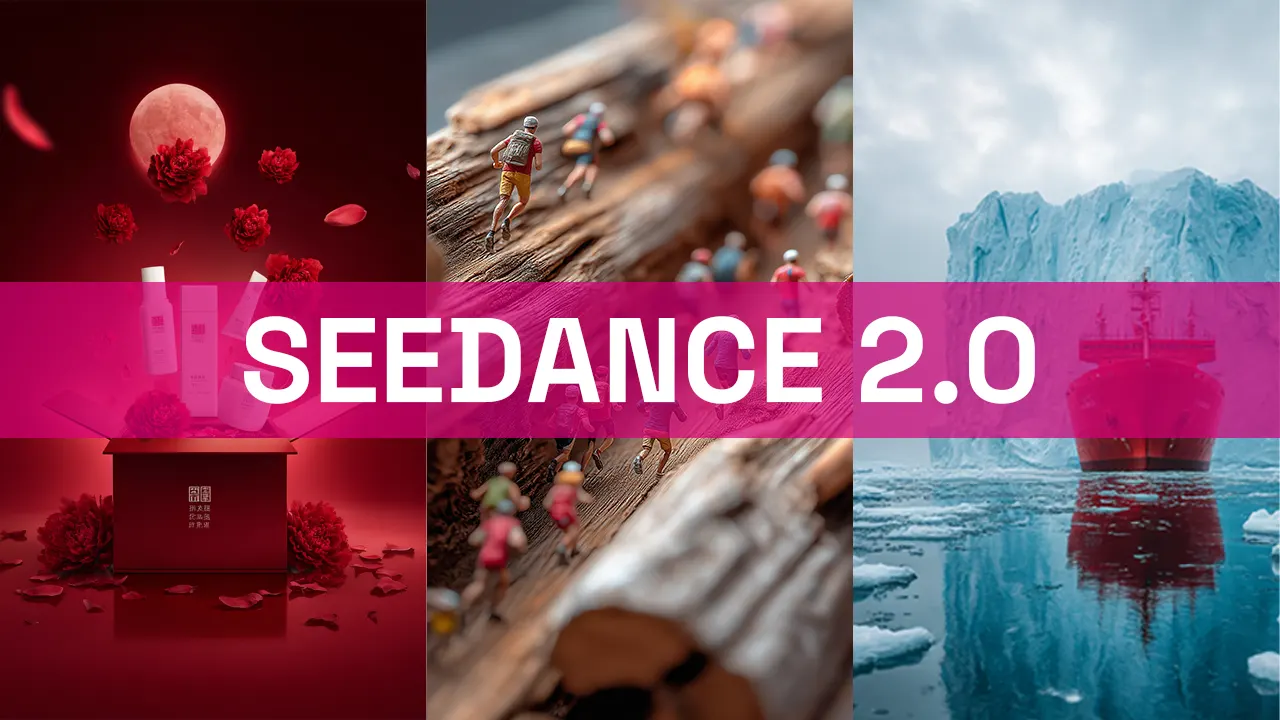
Seedance 2.0
The Future of AI Video Is Here.
The Edge You Gain from the MiniMax H3 prompt
The MiniMax H3 prompt method empowers you to direct an advanced multimodal video model — generating 5-15 second, 2K, 24fps clips with synchronized stereo sound. With a 7,000-character budget, you can assign roles to every reference, map out time-coded shots, steer camera language and audio design, and maintain character consistency across scenes in a single run.
- Assigning Clear Roles to ReferencesTell the model what each image, clip, or audio file represents — mood, talent, product, style, or voice — a high-leverage habit from the MiniMax H3 prompt guide.
- Timed Scene BreakdownsSplit multi-beat scenes into [0-2s], [2-4s] segments in a single MiniMax H3 prompt to avoid slide-show pacing and build real narrative rhythm.
- Sound Design with Director-Level PrecisionDescribe music structure, sound effects, and voice cloning with the same care as visuals in the MiniMax H3 prompt — sub-bass, hi-hats, foley, and dialogue timing.
Draft a Powerful MiniMax H3 prompt in Four Simple Steps
Follow this structured MiniMax H3 prompt workflow to generate 2K videos with perfectly matched sound in four easy stages.
Core Techniques for the MiniMax H3 prompt
Explore essential techniques from the MiniMax H3 prompt playbook — reference roles, timed scene blocks, audio control, negative prompts, identity locking, edit constraints, cinematic language, and event-driven transitions — for precise, professional results.
Negative Prompt Directions
The MiniMax H3 prompt guide shows you what to exclude — 'No soft dissolves', 'no garbled characters', 'no jump scares' — to steer the model away from unwanted output.
Identity & Feature Locking
Preserve characters, products, and scenes across cuts by listing defining details in the MiniMax H3 prompt — hair, wardrobe, props, and typography stay consistent.
Edit & Constraint Pairing
For editing tasks, pair each replacement with what must stay stable in the MiniMax H3 prompt — localized edits instead of full regeneration.
Cinematic Photography Language
Use shot scale, lens behavior, exposure, and film characteristics — handheld shake, rack focus, wide-angle distortion, film grain — directly in the MiniMax H3 prompt.
Transitions as Physical Events
Describe cuts as actions — whip movements, motion blur, optical smearing, exposure flicker — which works better than naming effects in the MiniMax H3 prompt.
7,000-Character Full Control
Fit an entire shot list plus sound design into one MiniMax H3 prompt — full scene, timed shots, audio, and constraints in a single request.
Frequently Asked Questions About the MiniMax H3 prompt
Straightforward answers to common questions about crafting effective prompts for the MiniMax H3 video model.
What is the MiniMax H3 prompt guide?
It is a set of best practices for prompting MiniMax's open-weight multimodal video model. The MiniMax H3 prompt guide covers reference role assignment, timecoded shot lists, audio direction, negative prompts, identity locking, and cinematic language for 2K video with native stereo audio.
How long can a prompt be?
Up to 7,000 characters — enough to fit a complete shot list with timed beats, camera moves, audio design, and constraints in one MiniMax H3 prompt.
How do I handle multiple reference assets?
Assign each asset a clear job in the MiniMax H3 prompt — 'Use Image 1 for mood, Image 2 for talent, Audio 1 for voice' — supporting up to 9 images, 3 video clips, and 3 audio files per request.
Should I describe audio in the prompt?
Yes — treat sound like a scene in the MiniMax H3 prompt. Describe music structure, instrument timing, foley details, and dialogue so the native audio generation matches the edit.
How do I keep characters consistent?
Lock identity by listing defining features — hair, wardrobe, props, and scene details — in the MiniMax H3 prompt, and preserve them across all timed beats and cuts.
What should I avoid in a prompt?
Vague pacing and undesired styles. Use timecoded blocks instead of slide-show sequences, and add negative directions to the MiniMax H3 prompt to exclude unwanted elements.
Begin Your MiniMax H3 prompt Journey Right Now
Produce 2K videos with built-in stereo audio by applying the MiniMax H3 prompt method — timed scene blocks, reference roles, cinematic camera moves, and detailed sound direction, all in one prompt.